A ten-night template that balances Havana, the countryside and the colonial cities — and where to put your accommodation budget.
The shape of the trip
Ten nights is enough for three bases and no more. The template below spends four nights in Havana, three in the countryside and three in the colonial cities, with two half-days lost to the road between them. It is deliberately unhurried: first-time visitors consistently report that the days they remember are the ones they did not schedule.
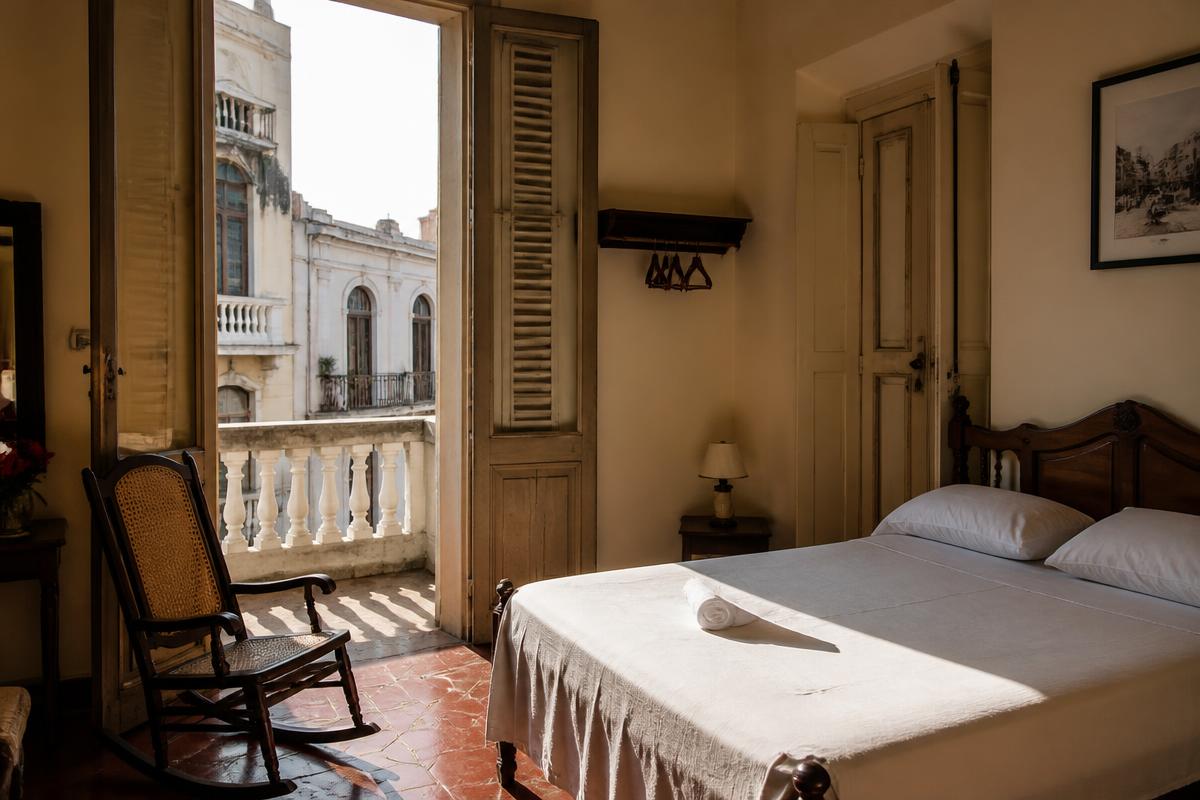
Book all ten nights in privately owned casas particulares and independent guesthouses. It keeps the trip simple, keeps your money with Cuban families, and — for US travelers — keeps your lodging clear of the restricted-property rules.
Nights one to four: Havana
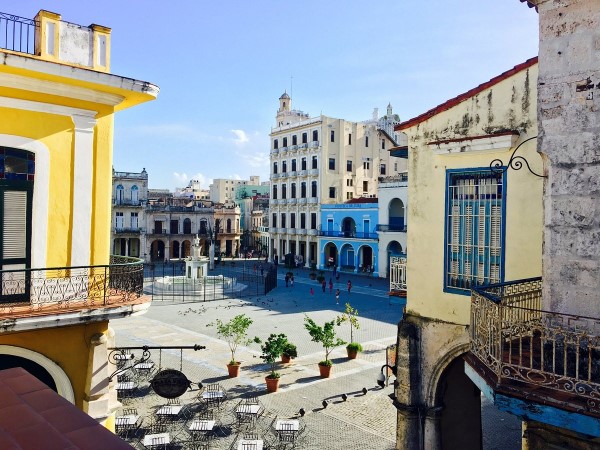
Give the capital enough time to stop feeling like a checklist. Habana Vieja is walkable and dense with history; Vedado trades some of that for quieter streets, live music and better value per night.
A workable rhythm: day one on foot in the old town with no fixed plan, day two in Vedado and Centro Habana, day three out to a neighborhood most visitors skip, day four for whatever you decided you wanted more of. Keep at least two evenings entirely free.
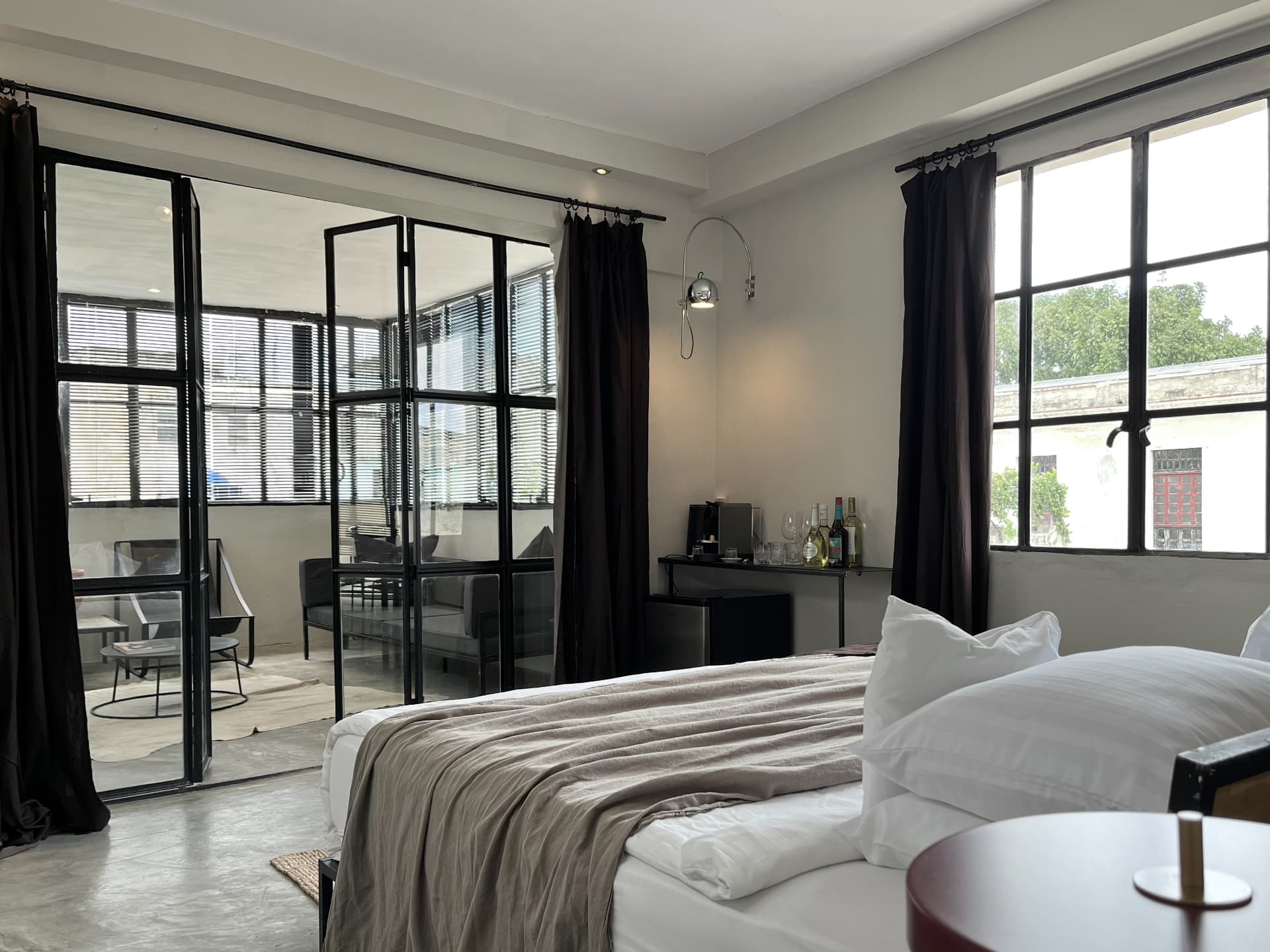
This is the leg where a whole-home rental earns its price if you are more than two people — space to regroup, a kitchen, and a terrace worth staying in for an hour at the end of the day.
Nights five to seven: countryside
Viñales or Trinidad, both dominated by casas particulares. This is where a home stay pays off most: hosts cook, arrange horses or hikes, and translate the logistics of a small town.
Viñales gives you tobacco farms, limestone hills and rural farm stays where dinner comes off the land around the house. Trinidad gives you a colonial town centre and the Escambray mountains behind it — waterfalls, walking trails and coffee country an hour from your front door.
Book dinner with your hosts at least twice. In small towns it is usually the best food available, it costs less than a restaurant, and it is the closest thing the trip offers to being invited into someone's life rather than their business.
Nights eight to ten: the colonial cities
Finish in a private casa in Cienfuegos or Santa Clara, both quieter and cheaper than the tourist towns. Ending with low-effort days makes the flight home far more pleasant than ending with a city sprint.
Cienfuegos is a neoclassical grid of arcades and pastel façades, easy to walk in an afternoon. Santa Clara is a university city with the most energetic independent arts scene outside Havana and the lowest nightly rates of the three regions in this itinerary.
Keep the final night close to your departure point rather than three hours from it. A short transfer on the last morning is worth more than one extra afternoon somewhere further away.
Where to put the budget
Spend up in Havana and down everywhere else. Nightly rates in the capital vary the most and buy the most — location, a terrace, a quiet room away from the street — while in Viñales, Cienfuegos and Santa Clara the difference between a modest casa and an expensive one is mostly decorative.
Reserve part of the budget for transport instead. A private car between cities costs meaningfully more than shared transport and reliably returns you half a day, which over three intercity legs is a day and a half of trip.
Adapting the template
With seven nights, drop the third base: four in Havana and three in the countryside. With fourteen, do not add two more cities — add nights to the bases you already have, and one rural farm stay where you do nothing at all for two days.
Whatever the length, book the first and last nights firmly and leave the middle a little loose. Your hosts will have better ideas about the middle than you did at home.
Filling the days under an authorized category
US travelers need a full-time schedule of qualifying activities, so build the itinerary around people rather than sights. Family-run workshops, private art studios, independent music teachers, community projects and long meals at private paladares all count, and they are also the parts of the trip you will remember.
Your hosts are the best schedulers you will find. Tell each one what you are interested in on the first evening and ask them to introduce you to someone doing it. Two or three engagements a day, spread across morning and afternoon, fills the schedule without exhausting anyone.
Write down what you did each day as you go. That daily log, together with your lodging receipts, is the record you are expected to keep for five years.
Booking the moves between cities
Long-distance travel is the part first-timers underestimate. Havana to Viñales is roughly three hours, Viñales to Trinidad most of a day, and Trinidad to Cienfuegos about ninety minutes. Ask each host to arrange a private driver a day or two ahead; shared cars are cheaper and slower, and both are more reliable than turning up hoping for a seat.
Never schedule a long transfer on the morning of your international flight. Give yourself a final night back in Havana so a breakdown or a late start costs you an evening rather than the flight home.
Booking happens on our partner's site — we never take payments here.
Book Now