Know your options
Casas particulares, private boutique guesthouses, rural farm stays and whole-home rentals each suit a very different trip.
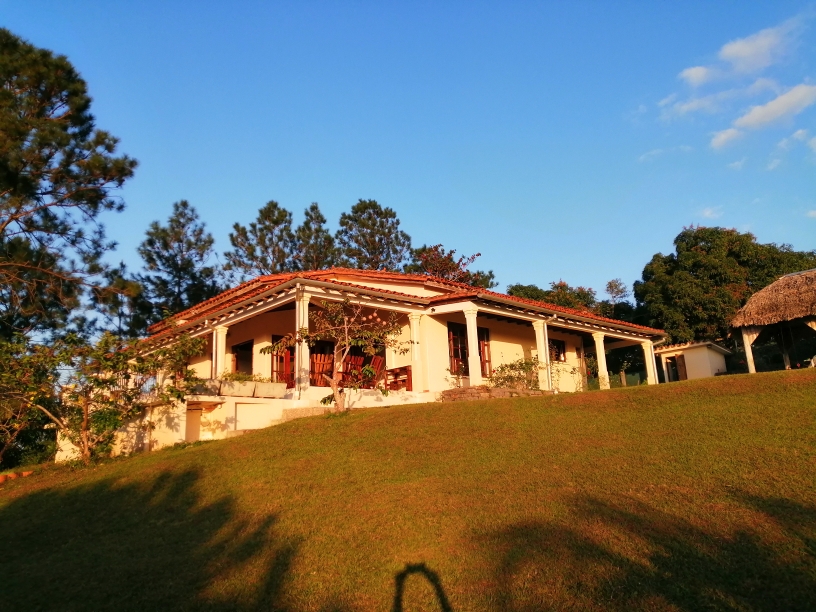
Cuba travel guide
An informational guide to help travelers better understand where to stay, how to stay, and the best places to stay in Cuba.
Booking happens on our partner's site — we never take payments here.
Cuba is not like booking a room anywhere else. Payment systems, internet access, and licensing rules all work differently, and most travelers arrive with more questions than answers. We break down the private accommodation options, the regions worth your nights, and the habits that keep a stay smooth and safe.
Everything on this site is limited to privately owned, family-run accommodation — the independent side of the Cuban economy. That focus is deliberate: it keeps your money with the household hosting you, and it keeps US travelers clear of properties they are not permitted to use. We publish guidance, not availability, and we never take a payment.
Casas particulares, private boutique guesthouses, rural farm stays and whole-home rentals each suit a very different trip.
Learn how reservations, deposits and confirmations actually work on the island before you pay anything.
Cash strategy, connectivity, documents and etiquette — the details that decide how your stay feels.
Travel to Cuba from the United States is legal under a set of authorized categories, but it comes with conditions that shape where you sleep and how you spend. None of this is legal advice — it is the working knowledge most travelers wish they had before booking.
General tourism is not one of them. Most independent visitors travel under Support for the Cuban People, which is built around meaningful engagement with Cubans and spending that reaches private households and businesses.
Some Cuban properties are off-limits to US travelers. Staying in a licensed private home avoids that question entirely, which is why every option we cover is family-owned rather than state-linked.
Travelers are generally expected to retain trip records for five years: your itinerary, host confirmations, receipts and a simple day-by-day note of what you did and with whom.
Rules change. Confirm current requirements with official US government sources and, if your trip is complex, with your own advisor. We keep this guide aligned with private-stay travel, but the responsibility stays with you.
Every stay we cover is privately owned. The difference is how much space, service and local knowledge you want around you.
Licensed private homes renting rooms or whole apartments. They are the most common — and usually the most rewarding — way to stay in Cuba. Expect a host who cooks breakfast, arranges taxis and knows the neighborhood. Look for the blue anchor-shaped sign on the door, which marks a licensed rental.
Best for: culture, value, longer stays
Independently owned guesthouses, often restored colonial houses run by a small family team. More design and more privacy than a spare room, while keeping everything you spend inside the private sector. Read recent reviews rather than star ratings.
Best for: comfort, central locations, short city trips
Family-run homes on private farms and in small country towns, often with home-cooked meals from the family's own produce. Slower days, direct support for private Cuban households, and hosts who know every trail and neighbor.
Best for: families, nature, slow travel
Independent apartments and villas, often with a rooftop terrace and a caretaker nearby. Good for groups who want privacy and a kitchen, though you lose the built-in local knowledge of a live-in host.
Best for: groups, families, stays over a week

Base yourself in Habana Vieja for walkable history, Centro Habana for street life and lower prices, or Vedado for leafy streets, live music and a calmer night's sleep.
Tobacco valleys and limestone mogotes. Almost all lodging is casas particulares, and dinner on the porch is part of the experience.
A colonial town of cobblestones and pastel facades, with the Escambray mountains and Valle de los Ingenios nearby. Book early in high season — the historic center fills fast.
Neoclassical avenues in Cienfuegos and a student city in Santa Clara, both easy stops between Havana and the east. Private casas here are cheaper than the tourist towns and rarely fully booked.
Decide how many nights each city gets before you look at a single listing. Cuban stays are booked destination by destination, not as one package.
Lock in Havana and any high-season town first, then fill the gaps. Save every confirmation offline with the host's name, address and phone.
Budget the whole trip before you fly and carry a contingency in clean notes. Cards issued by US banks generally do not work on the island.
Message your host a few days out and allow time for a slow reply. Arriving with a confirmed address avoids the most common first-day headache.
Demand for private rooms moves in clear waves. Picking the right window changes both what you pay and how far ahead you need to commit.
Dry, mild and the busiest stretch of the year. Havana, Trinidad and Viñales sell out first; book two to three months ahead and expect the top of the nightly range.
Warm, quieter and often the best value. Hosts have space, prices soften, and you can plan a route four to six weeks out without much risk.
Hot, humid, and busy again with visiting families. Air conditioning becomes a real criterion when comparing rooms, and popular casas fill on short notice.
The quietest window and the wettest, overlapping hurricane season. Flexible dates and a little travel insurance go a long way; availability is rarely a problem.
Budget the entire trip in advance and carry clean, untorn notes. Cards issued by US banks generally will not work, so treat every peso you bring as the whole budget.
Assume slow, intermittent data. Download maps, save host addresses and confirmations offline, and expect replies to messages in hours rather than minutes.
Most casas offer breakfast and many will cook dinner on request. It is usually the best food of the day, and it is spending that goes straight to the family.
Shared cars and intercity coaches link the main towns, and hosts routinely arrange the next leg. Ask the night before rather than the morning of.
Bring a filter or buy bottled water, expect occasional outages, and ask about street noise if you are a light sleeper — old-city rooms can be lively until late.
A few words of Spanish, agreeing on prices before a service, and letting hosts know your arrival window make a noticeable difference to how a stay unfolds.
Accommodation types and the regions they suit — Havana, Viñales, Trinidad, Cienfuegos and beyond.
Learn more →Step-by-step guidance on booking, paying, and spotting reputable hosts.
Learn more →Longer reads on best practices, money, neighborhoods and first-trip mistakes.
Learn more →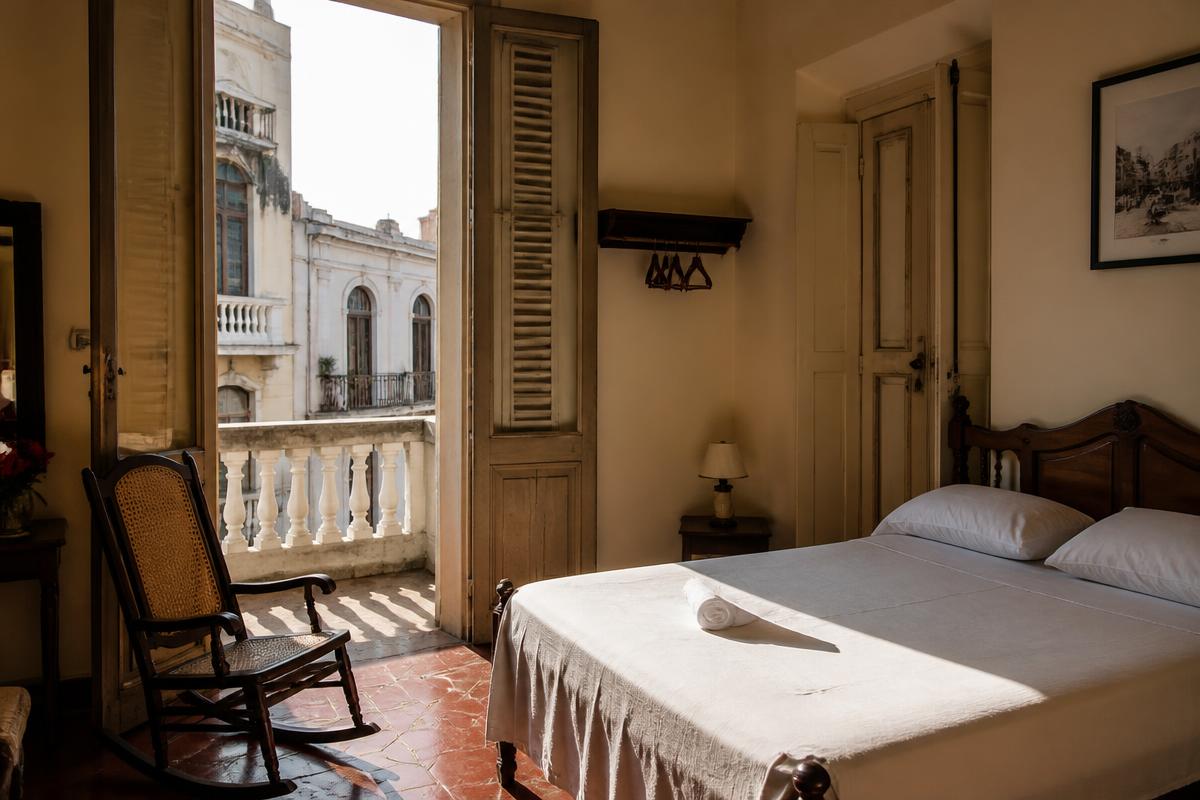
Planning
Your accommodation shapes a Cuban trip more than almost anything else — the meals, the neighbours, the pace. Here is a full stay mapped night by night, using privately owned casas only.
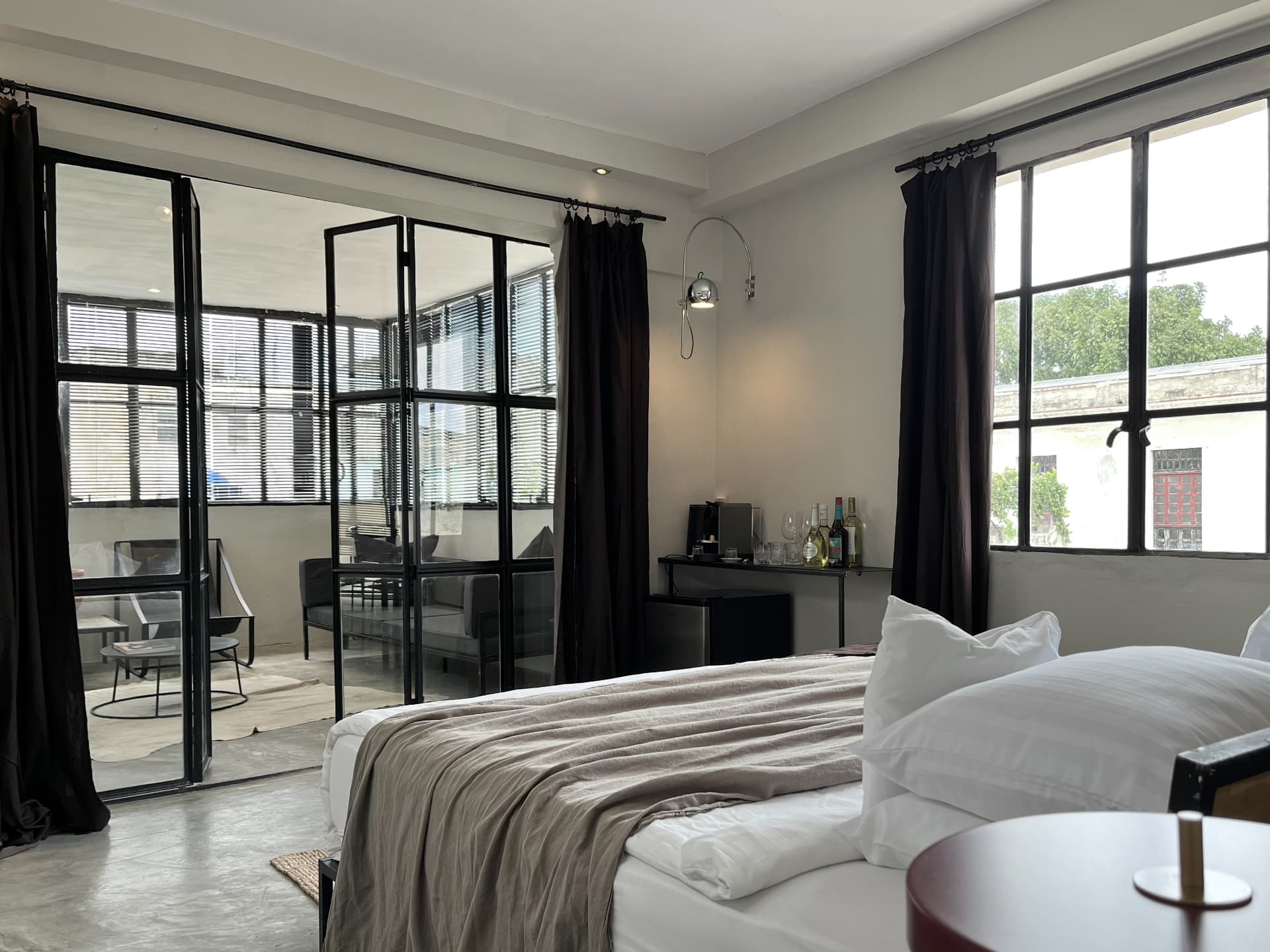
Booking
Cuban reservations follow their own rules. Here is the sequence that works, from route planning to the confirmation you save offline.
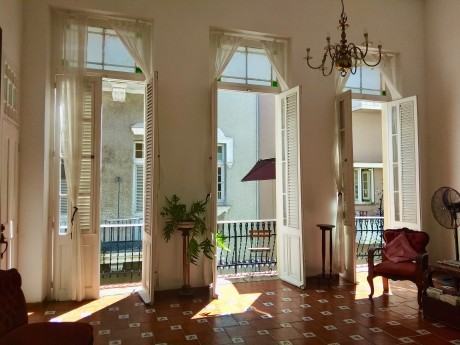
Where to stay
Both are private, family-owned stays, but they deliver very different trips. A clear-eyed comparison of cost, comfort, and what you actually experience.
Browse and book verified stays across Cuba on our partner's booking site.
This site is an independent guide — when you’re ready to book, we point you to a team we trust.
As an official licensed E-Visa provider and trusted partner of major U.S. airlines, they're government authorized and hold a BBB A+ rating.
They've processed over 50,000 visas with a 99.8% approval rate, making them one of the most reliable visa services in the industry.
Since 1999, they've helped U.S. travelers plan memorable Cuba trips by combining hands-on destination knowledge with a hospitality-first approach.
Every itinerary is built around OFAC-compliant travel categories and required documentation, with planning that feels personal rather than generic.
Ready to book? Talk to a Cuba travel specialist.
Visit Cuba Travel Services