Guide

Where to Stay in Cuba

Your choice of accommodation shapes a Cuban trip more than almost anything else. Here is how the main options differ, and which regions each one fits best.

Accommodation types

Casas particulares

Licensed private homes renting rooms or whole apartments. They are the most common — and usually the most rewarding — way to stay in Cuba. Expect a host who cooks breakfast, arranges taxis and knows the neighborhood. Look for the blue anchor-shaped sign on the door, which marks a licensed rental.

Best for: culture, value, longer stays

Private boutique guesthouses

Independently owned guesthouses, often restored colonial houses run by a small family team. More design and more privacy than a spare room, while keeping everything you spend inside the private sector. Read recent reviews rather than star ratings.

Best for: comfort, central locations, short city trips

Rural casas and farm stays

Family-run homes on private farms and in small country towns, often with home-cooked meals from the family's own produce. Slower days, direct support for private Cuban households, and hosts who know every trail and neighbor.

Best for: families, nature, slow travel

Whole-home rentals

Independent apartments and villas, often with a rooftop terrace and a caretaker nearby. Good for groups who want privacy and a kitchen, though you lose the built-in local knowledge of a live-in host.

Best for: groups, families, stays over a week

Booking happens on our partner's site — we never take payments here.

View Listings

Featured Accommodations

A closer look at a few standout places to stay.

Hostal Boutique 25 y G

Hostal Boutique 25 y G

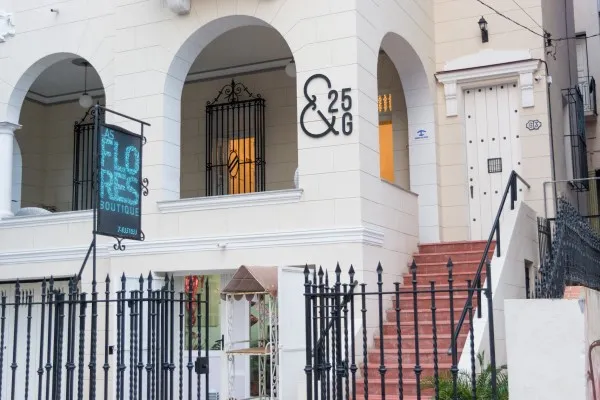
A boutique hostal in Vedado with 8 design-forward rooms, from a master suite to cozy singles, each with private bath, minibar, and desk. Steps from cinemas, restaurants, and bars, with breakfast, a rooftop solarium, and 24/7 bilingual staff. Sleeps up to 22 guests.

Learn more
Casa Brava

Casa Brava

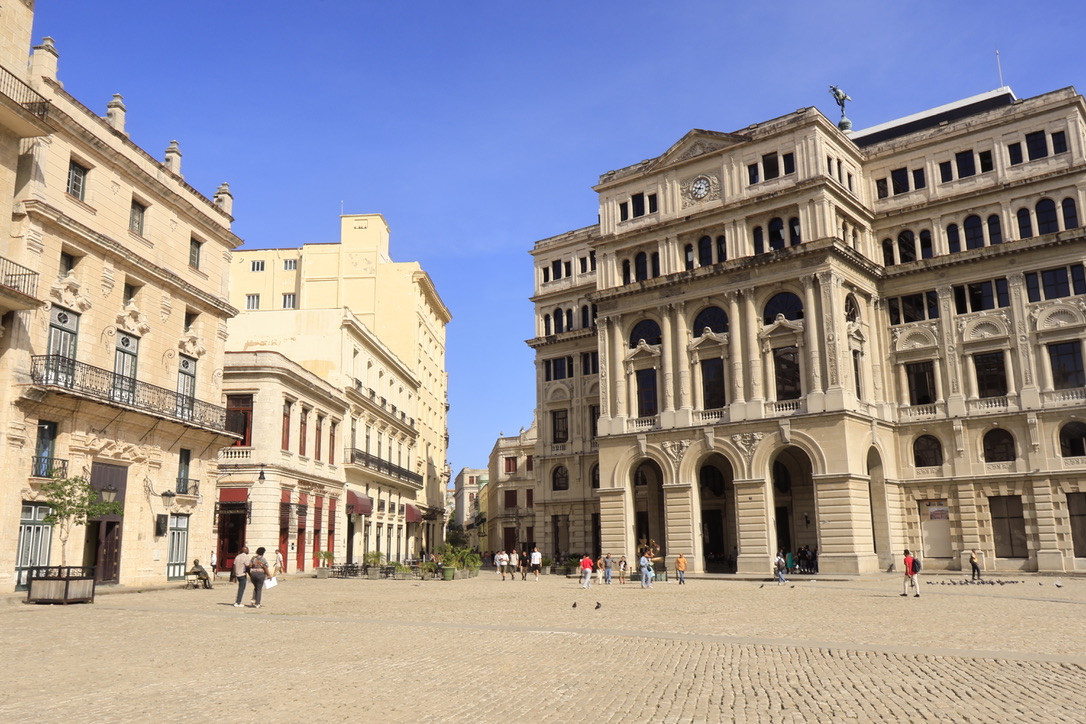
A family-owned boutique hotel in a restored 1910 colonial home in Old Havana, with original tile floors and 20-foot ceilings. Just 8 spacious rooms, each with A/C and a private en-suite bath. Intimate, historic, and warmly personal.

Learn more
Balcón del Ermitaño

Balcón del Ermitaño

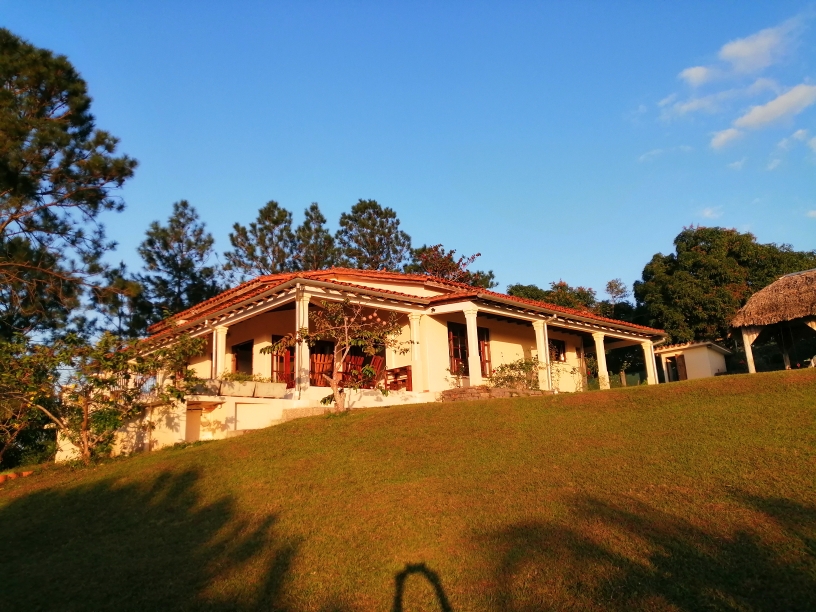
An independent guesthouse in Viñales with three terraces overlooking the mogotes. Flexible bedding, A/C, mosquito nets, and included breakfast, plus shared lounges, hammocks, and host-led excursions. Farm-to-table dinners available. Choose it for authentic rural hospitality.

Learn more
Loft Habana

Loft Habana

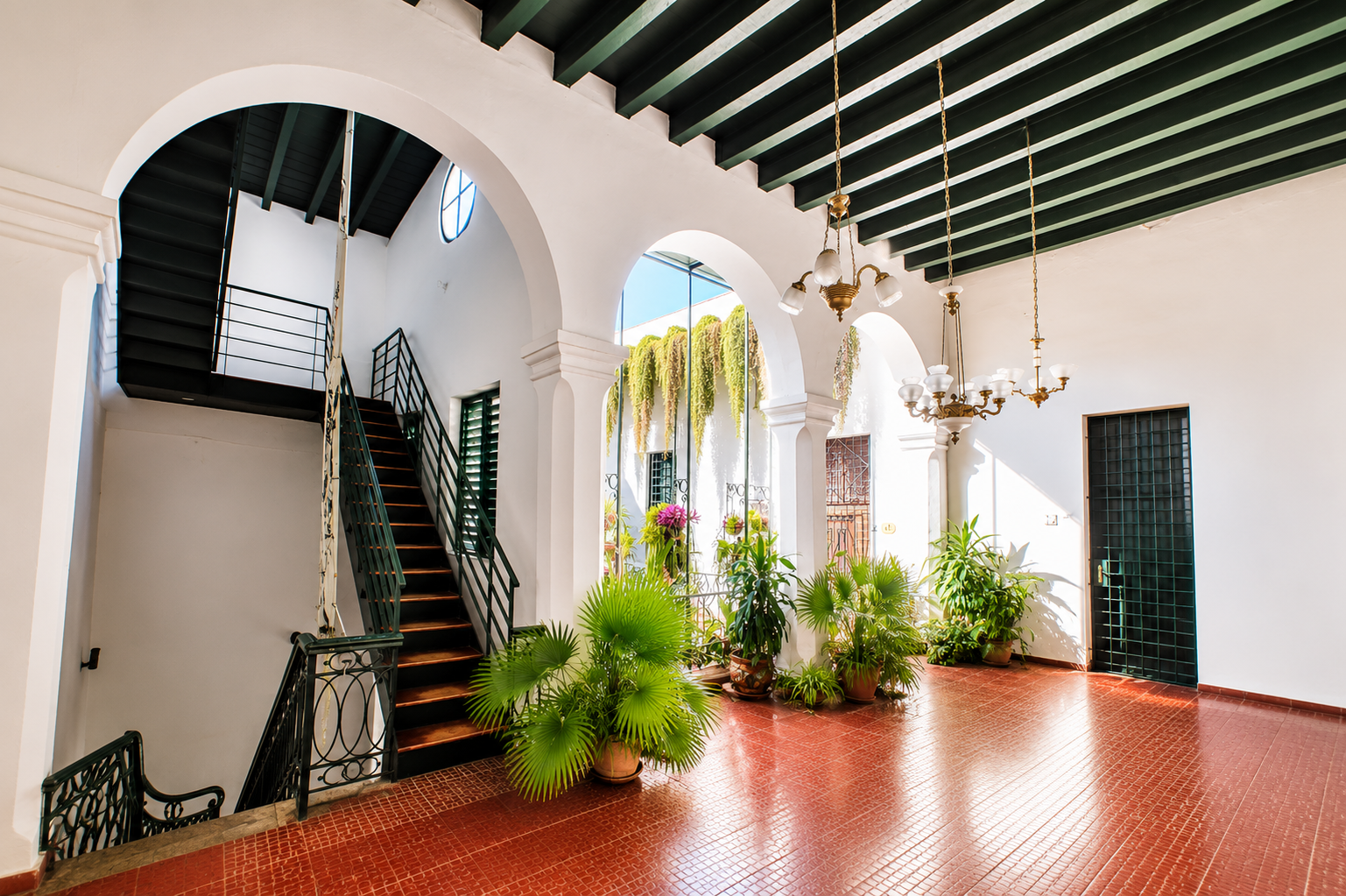
A restored historic solar in Old Havana with a lush courtyard and a rooftop terrace overlooking Havana Bay. Rooms feature premium linens, walk-in showers, and 24-hour room service. Steps from the city's historic squares and streets.

Learn more
San Ignacio 659

San Ignacio 659

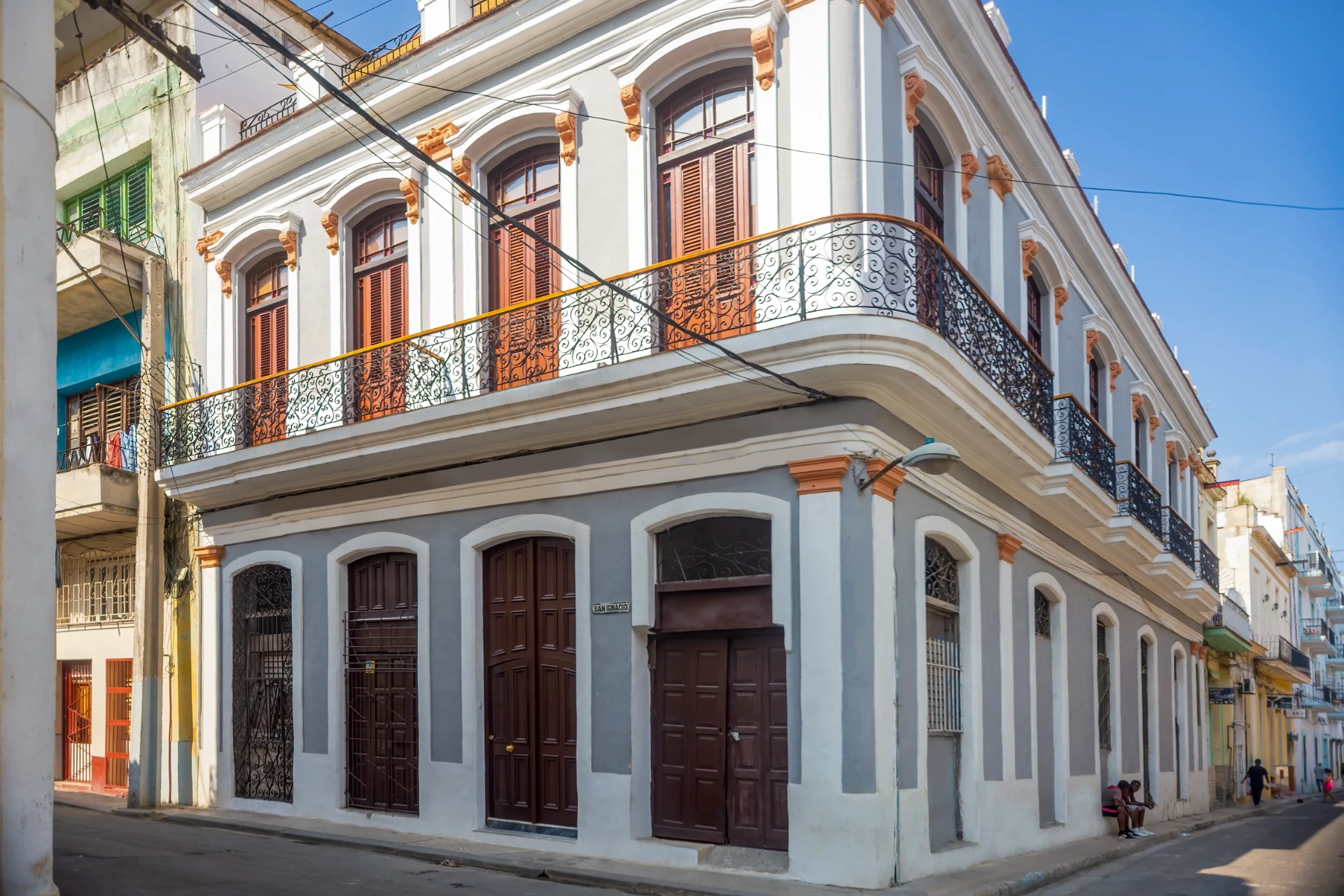
A restored 1900 manor house in Old Havana, 50 meters from the Alameda de Paula and Church of Paula. 11 double rooms, some with 5.5-meter ceilings and street views, others overlooking the inner courtyard. Colonial charm with careful period detail.

Learn more

How to choose between them

Most travelers overthink the property and underthink the neighborhood, the host and the length of stay. These four questions settle the decision faster than scrolling more listings.

How many nights in one place?
One or two nights favors a hosted room: breakfast, laundry and taxi help are already arranged. Four nights or more usually justifies a whole home with a kitchen, especially if you want to shop at private markets and cook.
Do you want a host in the house?
A live-in host is the single best travel resource in Cuba — they book the next casa down the road, find a driver at a fair rate and explain what is open. A whole-home rental trades that away for privacy.
City center or residential street?
Historic centers put you inside the walkable core but bring late-night music and early street noise. A residential street ten minutes out is quieter, cheaper, and often where you meet more of the neighborhood.
Does the property qualify for your travel category?
US travelers must stay in privately owned accommodations and avoid properties on the US State Department's Cuba Restricted List. Every option on this page is private by design, but confirm ownership with the host and check the current list before you book.
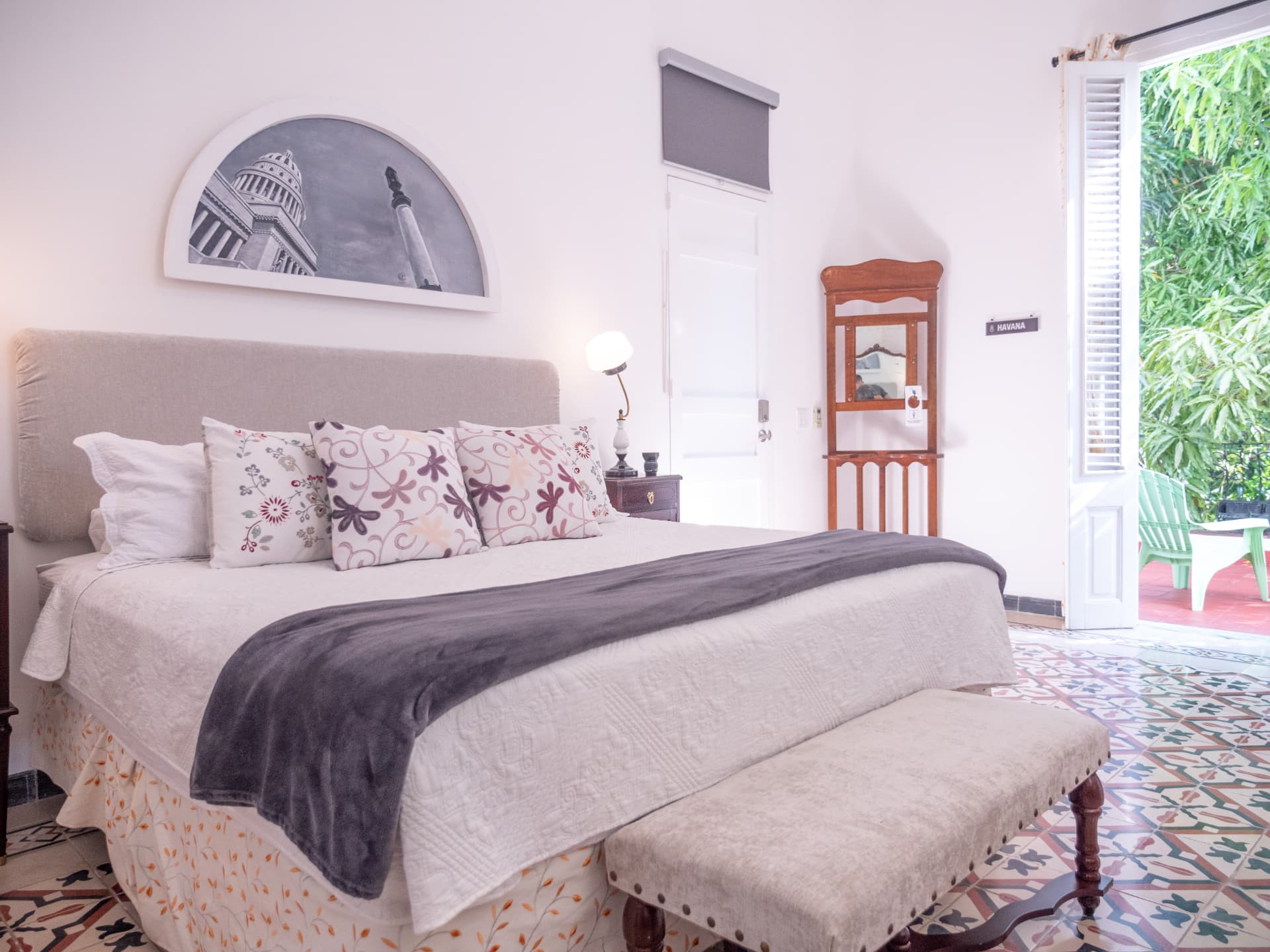
What to expect inside a private stay

Standards vary house to house rather than by price band. Knowing the norms keeps small surprises from feeling like problems.

Breakfast and meals

Breakfast is usually offered for a small extra charge per person — fruit, eggs, bread, coffee and juice. Dinner at the house is often the best meal of the day in rural areas; ask in the morning so the host can shop.

Water, power and air conditioning

Tap water is not for drinking — hosts sell or supply bottled water. Scheduled power cuts happen; ask whether the house has a generator or battery backup, and expect air conditioning in bedrooms rather than throughout.

Internet and phones

Many casas now have Wi-Fi, though it can be slow or intermittent. A local eSIM or a Cubacel data plan is more reliable for maps and messaging. Save your booking details offline before you land.

Registration and paperwork

Licensed hosts record your passport details in an official register at check-in — this is routine and required of them. Keep your own copy of each booking receipt; US travelers should retain trip records for five years.

Payment and pricing

Rates are quoted per room per night, and you pay the host directly in cash at check-in or check-out. Confirm the currency and the total for all nights in writing before arrival so nothing is renegotiated at the door.

Getting to the next town

Hosts arrange shared or private taxis between cities and will often call ahead to a casa in your next destination. Agree the price before the car leaves, and book the day before rather than the morning of.

Regions worth your nights

Havana

Havana

Base yourself in Habana Vieja for walkable history, Centro Habana for street life and lower prices, or Vedado for leafy streets, live music and a calmer night's sleep.

Viñales

Viñales

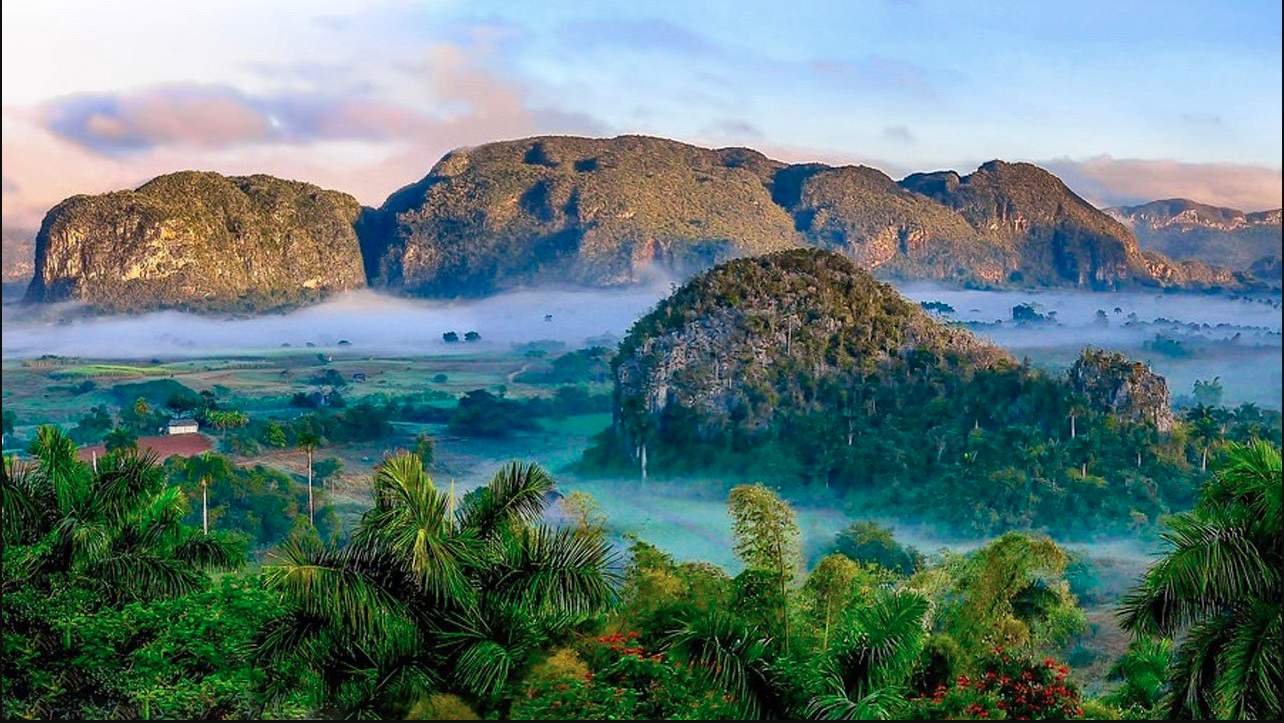
Tobacco valleys and limestone mogotes. Almost all lodging is casas particulares, and dinner on the porch is part of the experience.

Trinidad

Trinidad

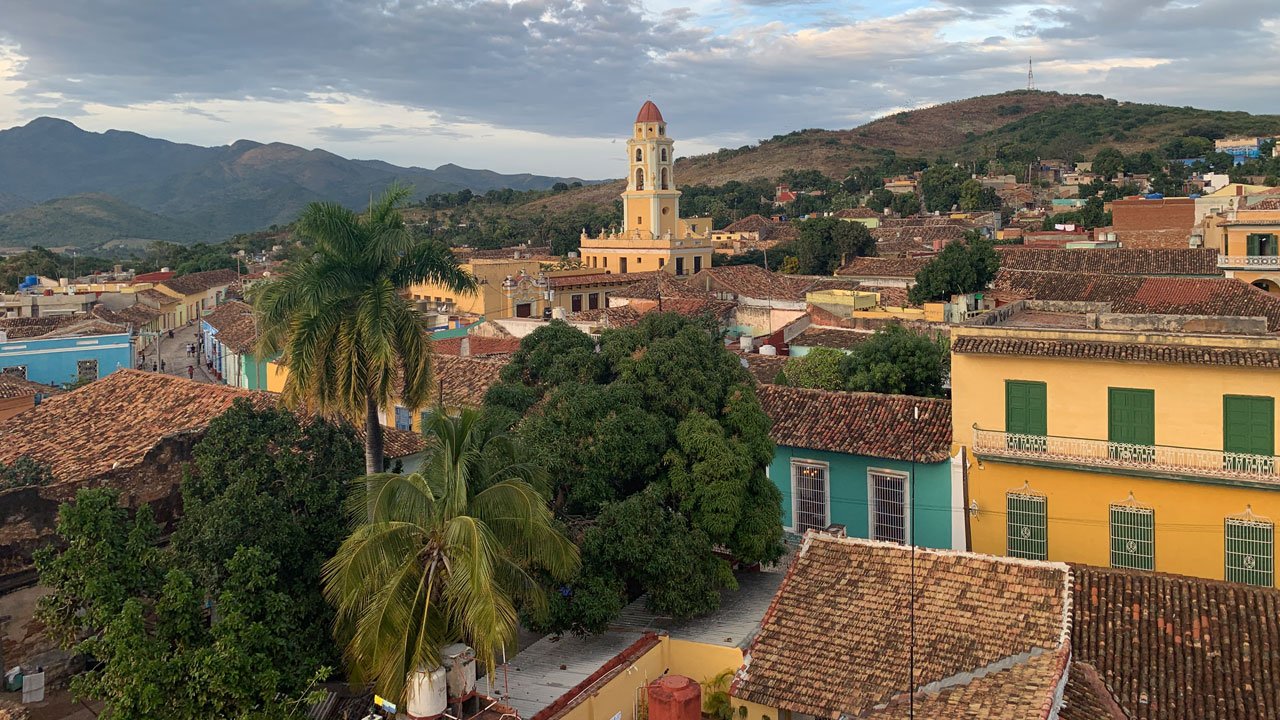
A colonial town of cobblestones and pastel facades, with the Escambray mountains and Valle de los Ingenios nearby. Book early in high season — the historic center fills fast.

Cienfuegos and Santa Clara

Cienfuegos and Santa Clara

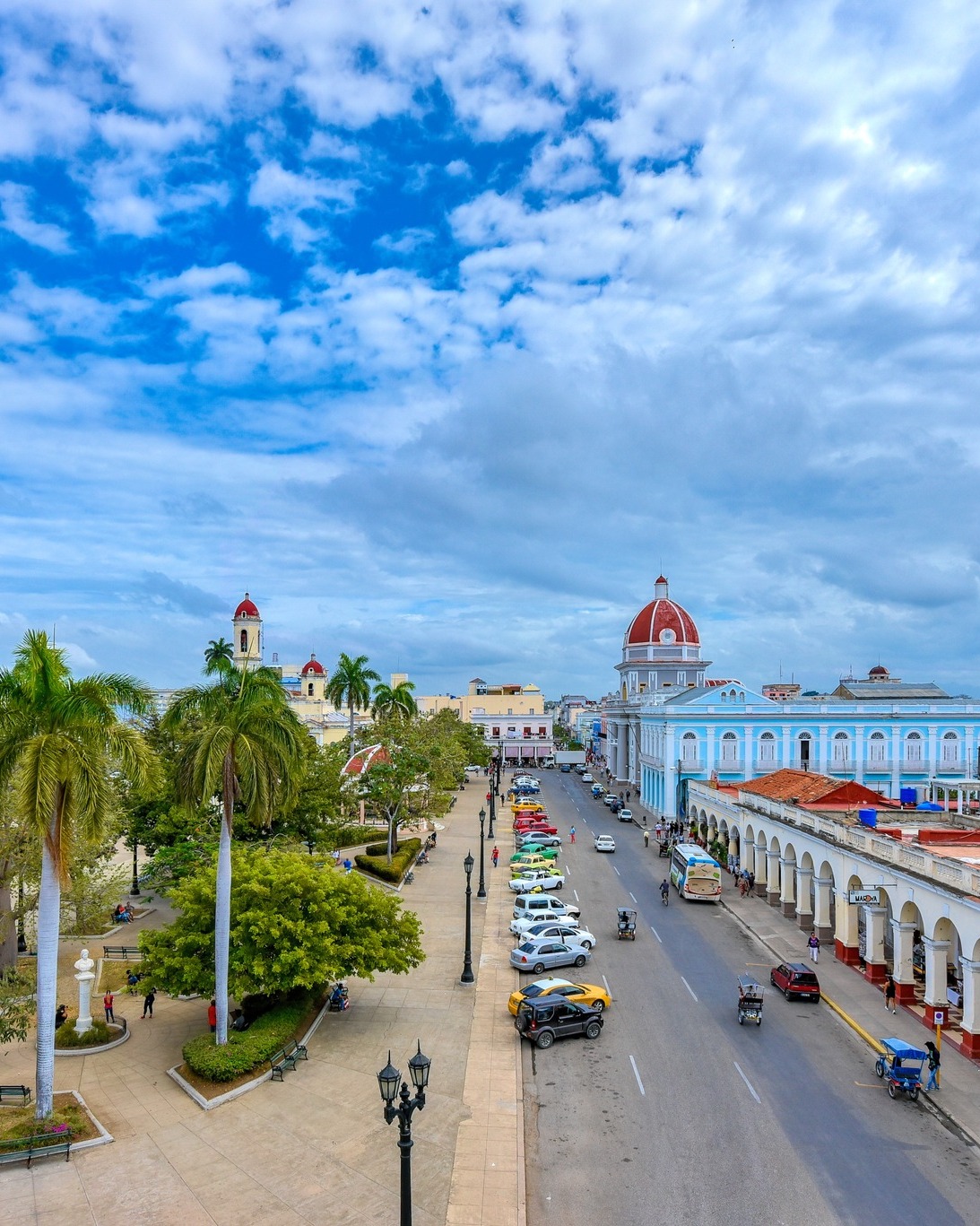
Neoclassical avenues in Cienfuegos and a student city in Santa Clara, both easy stops between Havana and the east. Private casas here are cheaper than the tourist towns and rarely fully booked.

What a private stay costs

Prices are quoted per room per night and paid in cash. Treat these as planning ranges — high season, group size and location move them.

Hosted room in a casa particular

The baseline across most of the country, with breakfast usually offered as a small add-on. Rural towns sit at the low end, central Havana and Trinidad at the high end.

Private boutique guesthouse

Restored colonial houses with more design, more privacy and usually a terrace. Worth the premium for short city stays where the house is part of the experience.

Whole-home rental

Two to four bedrooms with a kitchen, which usually undercuts separate rooms once you are three or more people and cooking some meals.

Beyond the room

Budget separately for breakfast and dinner at the house, intercity taxis, a data plan and a cash contingency. Cards issued by US banks generally do not work anywhere in Cuba.

Staying compliant as a US traveler

Where you sleep is part of how your trip qualifies. These four points keep your accommodation choices inside the rules.

Private ownership only

Stay in privately owned casas particulares, private guesthouses, farm stays or whole-home rentals. Ask the host directly who owns the property if a listing is unclear.

Check the Cuba Restricted List

The US State Department publishes a list of entities and properties US travelers may not transact with. It changes; check the current version close to your travel date.

Match your travel category

Travel must fall under an authorized category rather than general tourism. A schedule built around private homes, private guides and independent restaurants supports that far better than a leisure itinerary.

Keep your records

Save booking confirmations, receipts and a day-by-day record of activities for five years. Photographing paper receipts each evening is the easiest way to keep the file complete.

Found the region? Check availability with our partner.

Book Now